
Paysafecard v Internetových Casinech: Proč Používat Casino Paysafecard pro Bezpečný Vklad
Proč si zvolit Paysafecard v kasinu
V prostředí internetových casin existuje mnoho způsobů, jak provést vklad, ale jednou z nejvyhledávanějších je vklad přes paysafecard. Informace o rejstříku vyloučených osob paysafecard je známá svou jednoduchostí, bezpečností a rychlostí.
Paysafecard je to předplacený voucher s fixní hodnotou, který lze snadno použít k online platbě, aniž by bylo nutné sdílet citlivé údaje.
Tím, že používáte Paysafecard v kasinu, můžete hrát své oblíbené hry bez obav o zabezpečení vašich peněz.
Proces použití Paysafecard v online kasinu
Platba pomocí Paysafecard v online kasinu je uživatelsky přívětivý a rychlý. Většinou potřebujete pouze koupit Paysafecard v prodejním místě, vyplnit unikátní kód ve formuláři pro platbu v kasinu a peníze jsou ihned připravené k použití.
S Paysafecard obdržíte unikátní kód, který zadáte během platebního procesu.
Tím, že nevyužíváte běžný bankovní účet, zajišťujete anonymitu plateb.
Paysafecard se často používá jako okamžitý platební nástroj nejen pro vklady, ale i pro rychlé výběry v kasinu.
Výhody a nevýhody casino platby Paysafecard
Bezpečnost, anonymita a jednoduchost – to jsou tři klíčové přednosti Paysafecard. Ochrana osobních údajů je díky Paysafecard maximální, protože není třeba sdílet citlivé detaily.
Další výhodou je široká dostupnost Paysafecard v mnoha zemích.
U některých kasin není možné použít Paysafecard k převodu peněz zpět na účet, což může být nevýhoda.
Také je potřeba kupovat nové karty při vyčerpání kreditu.
Zajištění bezpečných transakcí s Paysafecard
Hráči často volí Paysafecard právě kvůli jeho prověřené bezpečnosti. Kvůli šifrování plateb a anonymitě je Paysafecard velmi oblíbený mezi uživateli.
Kasina vyžadují bezpečné metody, aby ochránila zájmy svých klientů.
Uživatelé mají přístup k profesionální podpoře, která řeší případné otázky a potíže.
Díky Paysafecard je možné hrát v kasinu bez starostí a složitých bankovních operací.
Jaké casino online nabízejí platbu Paysafecard?
Popularita Paysafecard roste a stále více internetových kasin tuto možnost nabízí.
- Kasino A patří mezi přední platformy, kde můžete platit Paysafecard.
- Paysafecard je v kasinu B plně podporován.
- Paysafecard platby jsou v kasinu C velmi oblíbené.
Důležité je, aby kasino, které jste si vybrali, přijímalo Paysafecard jako způsob vkladu.
Jak na úspěšný vklad Paysafecard v kasinu
Nepřehánějte to s vklady, sledujte limity a zůstatky.
Některá kasina mohou požadovat ověření identity i při platbě Paysafecard, proto mějte připraveny doklady.
Pokud máte více Paysafecard karet, můžete je sloučit pro větší vklad.
Vyhýbejte se místům, kde by vás platba pomocí Paysafecard mohla stát extra náklady.
Závěr: Paysafecard zůstává populární volbou v online kasinech
Paysafecard představuje skvělý způsob, jak uskutečnit vklady v online kasinech bez rizika sdílení bankovních údajů.
Paysafecard pomáhá hráčům vyhnout se nechtěným rizikům spojeným s online platbami.
Pamatujte, že casino vklad přes Paysafecard je flexibilní https://tomasjanecek.cz a dostupný téměř všem hráčům.
Výběrem kasina, které podporuje Paysafecard, si zvolíte důvěryhodné prostředí pro své hazardní hry.

Jak uspět v zahraničních casinech pro české hráče
Proč vybírat zahraniční casina?
Existuje řada důvodů, proč si vybrat zahraniční casino. Zásadní příčinou je široký výběr her, většinou výhodnější bonusové nabídky a zachování soukromí hráčů. Regulace hazardních her v České republice mezinárodní casina zajišťují běžně vylepšené služby a výhodnější podmínky pro české hráče. Důležitým aspektem jsou dostupnost pestřejších typů her a šance získat vyšší výhry.
Navíc zahraniční casina velmi často nabízejí transakce v zahraničních měnách, což může výhodně zlepšit průběh hry. Ministerstvo financí ČR díky možnosti volby měny můžete snížit poplatky při vkladech a výběrech. Hraní v zahraničních casinech znamená větší flexibilitu v oblasti plateb.
Shrnuto, casinové platformy působící mimo Česko zpřístupňují více možností a běžně také atraktivnější balíčky. Pokud hledáte rozličných herních možnostech, je zahraniční casino ideálním řešením. Je rozumné zvážit zahraniční casina jako na strategii pro výherní zážitky.
Výběr nejlepších zahraničních casin pro Čechy
Jak vybrat nejlepší zahraniční casino?
K výběru ideálního zahraničního casina je podstatné je zásadní brát v úvahu několik aspektů. Klíčové je vybírat casina podle spolehlivosti, licencích a herní nabídce. Je nutné zkontrolovat hodnocení a zkušenosti uživatelů, které pomáhají s jistotou rozhodnout.
Zajímavé bonusové nabídky jsou důležité a značně zvyšují atraktivitu casina. Neměli byste opomenout možnosti plateb a, a také bezpečnost plateb,
Spolehlivá zákaznická péče může výrazně ovlivnit herní zážitek. Pokud budete brát tyto rady v potaz, budete lépe připraveni na správnou volbu casina.
Pokud budete uvažovat o všeobecných faktorech jako jsou bezpečnost, bonusy, nabídka a kvalita služeb, budete mít skvělou příležitost najít ideální zahraniční casino.
Zahraniční casina pro české hráče: odpovědi na otázky
Mohou být zahraniční casina legální?
Zpravidla platí, že legálnost závisí na licencích a zemích, kde casino působí. U většiny zahraničních casin je provozovatel licencován předními regulačními orgány, což zvyšuje bezpečnost a důvěryhodnost.
Důležitý je také fakt, že nezřídka zahraniční casina nemají licenci z ČR, ale přesto nabízejí legální služby českým hráčům. Pro hráče je důležité mít přehled o licencích a pravidlech daného casina, aby předešel riziku a komplikacím.
Dále, mnohá zahraniční casina používají pokročilé technologie pro ochranu osobních údajů, což je přínosné i pro https://e-caje.cz/ české hráče. Firmy za zahraničními casiny investují do ochrany zákazníků, aby zajistily férové a bezpečné hraní.
Jaké jsou možnosti plateb v zahraničních casinech?
Nejčastější platební metody jsou platební karty, elektronické peněženky, bankovní převody a kryptoměny.
Výhoda tvoří hlavní plus, že u mnoha casin můžete provádět vklady a výběry v zahraničních měnách, což snižuje poplatky za směnu. Výhodou může být aktivace promo akcí prostřednictvím konkrétních platebních metod.
Na druhou stranu, některá mezinárodní casina mohou mít limitované možnosti vkladů a výběrů pro české hráče. Doporučujeme prověřit pravidla platebních metod a jejich dostupnost před registrací.
Celkově lze říct, že výběr platebních metod umožňuje pohodlné a bezpečné transakce pro české hráče.
Užitečné rady pro české hráče v zahraničních casinech
Jak začít v zahraničním casinu?
První fází je registrace, která zahrnuje zadání osobních údajů a nastavení účtu. Dalším krokem je ověření identity, které zajistí bezpečnost a splnění pravidel casina.
Po registraci můžete vykonat první vklad, který spustí vaši herní aktivitu.
Pokud Začátečníkům se doporučuje začít hrát obezřetně a zkoušet hry s nižšími sázkami.
Podpora hráčů v zahraničních casinech
Zákaznická podpora je velmi důležitá a většina zahraničních casin nabízí chat, email a telefon.
Testování zákaznické podpory před hrou pomáhá zjistit, jak rychle a kvalitně je pomoc poskytována.
Při absenci podpory může být řešení potíží obtížné.
Legální hraní v zahraničních casinech pro Čechy
Jak je to s právními předpisy?
Právní regulace v Česku se soustředí na domácí provozovatele, ale zahraniční casina často spadají do jiných pravidel. V důsledku toho činnost zahraničních casin je často řízena pravidly zahraničních regulačních institucí.
Z pohledu hráče není samotné hraní v zahraničním casinu zakázané. Hráč musí dbát na své odpovědnosti a dodržovat platné zákony.
Prověřte licenční status casina, aby byly služby legální a důvěryhodné.
Tipy, jak vyhnout se právním problémům
Hrát legálně znamená dodržovat pravidla a podmínky casina i zákony dané země. Nezaručená casina mohou být riziková, proto hledejte ověřené správce.
Je vhodné se také zjistit o platebních pravidlech a daních souvisejících s výhrami.
Shrnuto, hra v zahraničních casinech není automaticky nelegální, pokud jsou dodrženy zákony. Důležité je vybírat licencované platformy a řídit se jejich pravidly.
Kompletní přehled o nejlepších zahraničních casinech
Online casina s nejvyšší reputací
Aktuální špičková casina se vyznačují vysokou bezpečností, rychlými výběry a širokou paletou her.
Největšími hráči jsou například Betway, 888Casino, LeoVegas a další významné značky.
Pozornost věnujte také výhodným bonusům a promoakcím. Je rovněž vhodné kontrolovat rychlost výběrů a zákaznický servis.
Celkově lze říct, že výběr nejlepšího zahraničního casina závisí na osobních preferencích i bezpečnosti.
Průvodce zahraničními casiny pro hráče z Česka
Proč vybírat zahraniční casina?
Hledáte výhody zahraničních casin? Jedním z hlavních faktorů je bohatá nabídka herních titulů, často atraktivnější bonusy a zachování soukromí hráčů. Casino provozované v zahraničí nabízejí obvykle zlepšené služby a lépe přizpůsobené podmínky pro Čechy. Regulace hazardních her v České republice jeden z hlavních důvodů je dostupnost různorodých typů her a šance vyhrát větší částky.
Dále tyto platformy velmi často nabízejí hraní v cizích měnách, což může výhodně ovlivnit vaše herní zážitky. Výběr měny vede k tomu, že můžete snížit poplatky při finančních operacích. Stop závislosti sázky v zahraničních casinech přinášejí více možností pokud jde o platby.
Shrnuto, zahraniční casina pro české hráče nabízejí širší spektrum her a typicky také lepší podmínky. V případě, že chcete najít rozličných herních možnostech, budete spokojeni se zahraničním casinem optimálním místem. Proto stojí za úvahu zahraniční casina jako na možnost pro hraní a výhry.
Nejlepší zahraniční casina pro české hráče: top přehled
Jak vybrat nejlepší zahraniční casino?
Při hledání nejlepší zahraniční casino pro české hráče, je zásadní zohlednit několik faktorů. Výběr zahraničního casina by měl být založen na bezpečnosti, reputaci a rozsahu služeb. Rozhodně se vyplatí sledovat recenze a hodnocení hráčů, které zvětšují jistotu
Navíc je vhodné se zaměřit na nabídku bonusů, protože mohou výrazně ovlivnit hraní. Neměli byste opomenout možnosti plateb , aby byly platební metody spolehlivé a bezpečné,
Zákaznická podpora patří mezi klíčové vlastnosti při volbě casina. Pokud budete brát tyto rady v potaz, vaše šance na výběr nejlepšího zahraničního casina výrazně vzroste.
Najít nejlepší zahraniční casino pro české hráče není jednoduché, pokud víte, co hledat je to dosažitelné.
Jak fungují zahraniční casina pro české hráče
Mohou být zahraniční casina legální?
Častá otázka je, jestli jestli zahraniční casina jsou v Česku povolená a bezpečná. V mnoha případech mají licencemi ověřené provozovatele, což znamená spolehlivost a ochranu hráčů.
Je nutné věnovat pozornost tomu, že nezřídka zahraniční casina nemají licenci z ČR, ale přesto mohou být zcela bezpečné a legální pro české hráče. Je doporučeno zkoumat licenční podmínky a regulace daného zahraničního casina, aby hráč si mohl být jistý bezpečností hraní.
Kromě toho, některá světová casina mají moderní bezpečnostní systémy, které šifrují data, což je přínosné i pro české hráče. Zahraniční operátoři často kladou velký důraz na zabezpečení, což je pro české hráče velkou výhodou.
Vklady a výběry v zahraničních casinech
Limitovanépeněžní transakce v českých korunách se mohou lišit v závislosti na casinu.
Výhoda je zejména možnost používat cizí měny, což snižuje poplatky za směnu. Dále je možné využít i různé bonusy při určitém způsobu platby.
Na druhou stranu, některá mezinárodní casina mohou mít limitované možnosti vkladů a výběrů pro české hráče. Je proto doporučeno si přesně zjistit podmínky plateb v daném casinu.
Celkově lze říct, že výběr platebních metod umožňuje pohodlné a bezpečné transakce pro české hráče.
Užitečné rady pro české hráče v zahraničních casinech
První kroky pro české hráče v zahraničních casinech
Pokud plánujete začít hrát v zahraničním casinu, je třeba znát postup od registrace po první vklad. Bez ověření účtu není možné plně využívat všech funkcí casina.
Mějte na paměti, že výběr platební metody může ovlivnit dostupné bonusy.
Je dobré také mít přehled o pravidlech her a bonusových podmínkách.
Podpora hráčů v zahraničních casinech
Možnost kontaktování podpory bývá efektivní a někdy i v českém jazyce
Vždy je vhodné vyzkoušet kvalitu zákaznické podpory předtím, než začnete hrát.
Bez dostatečné pomoci mohou nastat problémy, https://e-caje.cz/ které ovlivní vaši hru.
Legální hraní v zahraničních casinech pro Čechy
Jak je to s právními předpisy?
Legislativa ohledně casin působících mimo ČR je komplexní a může se měnit podle země a jurisdikce. V praxi to znamená, že činnost zahraničních casin je často řízena pravidly zahraničních regulačních institucí.
Z pohledu hráče není samotné hraní v zahraničním casinu zakázané. Hráč musí dbát na své odpovědnosti a dodržovat platné zákony.
Doporučuji vždy zkontrolovat, zda má casino platnou licenci z renomované jurisdikce.
Co znamená hrát legálně v zahraničním casinu?
Hrát legálně znamená dodržovat pravidla a podmínky casina i zákony dané země. Nezaručená casina mohou být riziková, proto hledejte ověřené správce.
Je vhodné se také zjistit o daňových dopadech výher a pravidlech plateb.
Na závěr, hra v zahraničních casinech není automaticky nelegální, pokud jsou dodrženy zákony. Podstatné je hrát jen v licencovaných casinech s jasnými pravidly.
Kompletní přehled o nejlepších zahraničních casinech
Online casina s nejvyšší reputací
Nejlepší zahraniční casina jsou proslulá svou spolehlivostí a nabídkou her.
Mezi nejoblíbenější zahraniční casina patří například casina jako Betway, 888Casino, LeoVegas a další.
Bonusy jsou dlouhodobě významným lákadlem a odlišujícím prvkem. Výběry peněz by měly být rychlé a bez komplikací.
Celkově lze říct, že ideální casino je takové, které kombinuje bezpečnost, šíři nabídky a dobrou podporu.
Proč zvolit casino online a jak si vybrat perfektní online kasino Jak uspět v online casinu s českou licencí v roce 2026 Kompletní průvodce o online casinech pro české hráče
Obce a regulace hazardního trhu v ČR hraní v online casinu se stalo rozšířenou zábavu, která zaujímá miliony hráčů po celém světě. Tento text poznáte podrobný přehled, jak se orientovat v online casinech, vybrat si to nejlepší a maximalizovat své šance na výhru.
Seznam legálních provozovatelů v ČR v nabídce online kasin najdete vše od klasických her po nejnovější technologie v hazardu.
Průvodce výběrem online casina s českou licencí
Než začnete hrát, je důležité promyslet výběr casina.
První věc, na kterou se zaměřte, je zda má casino českou licenci.
Každé kasino nabízí jiné hry, čemuž věnujte pozornost.
Bonusy často mohou výrazně zpříjemnit start v online casinu.
Dalším kritériem je platební metody a bezpečnost.
Podpora by měla být přátelská, efektivní a dostupná 24/7.
Budoucnost online hazardu v Česku
Online casina se stále inovují, aby nabídla hráčům bezpečnější a zábavnější https://stylehunter.cz/ prostředí.
Mnohé online casina již testují VR hry, které hráče přenesou do úplně nového světa.
Online casina na to reagují a investují do optimalizace mobilních verzí.
Licence zůstává klíčovým prvkem pro důvěru hráčů.
Také se rozšiřují inovativní finanční nástroje, včetně digitálních měn.
Online casina proto investují do organizování různých soutěží.
Strategie pro české hráče v online casinech
Přinášíme vám několik tipů, které vám pomohou zlepšit vaše šance.
Nikdy nehrávejte s penězi, které si nemůžete dovolit ztratit.
Bonusy mohou být skvělé, ale často jsou spojeny s různými podmínkami.
Zaměřte se na hry, které znáte a rozumíte jim.
Online hraní může být návykové, proto to berte jako zábavu.
Podívejte se na recenze casina a zpětnou vazbu od ostatních hráčů.
V neposlední řadě, sledujte novinky a trendy v online casinech.
Závěr: Proč je dobré hrát v online casinu s českou licencí
Hraní v online casinu může být zdrojem zábavy i peněžních výher.
Ministerská kontrola a regulace přináší v online hazardu transparentnost.
Použijte námi uvedené rady při výběru a hře, abyste si maximálně užili své herní chvíle.
Online casina pro české hráče nadále rostou a zdokonalují se, aby splnila očekávání všech uživatelů.
Paysafecard v Online Kasinech: Jak Používat Casino Paysafecard pro Jednoduchý Vklad
Úvod do světa casino Paysafecard
Informace o rejstříku vyloučených osob existuje široká paleta variant, jak vložit peníze v internetových kasinech, ale jednou z nejvyhledávanějších je platba pomocí paysafecard. Tato metoda vyniká pro svou bezpečnost a snadné použití.
Seznam legálních provozovatelů v ČR jedná se o předplacenou kartu, který umožňuje snadné a bezpečné vklady v kasinech bez nutnosti zadávat bankovní údaje.
Paysafecard vám poskytuje benefit diskrétnosti a maximální bezpečnosti při online platbách.
Proces použití Paysafecard v online kasinu
Vklad pomocí Paysafecard v online kasinu je jednoduchý a nezabere mnoho času. Většinou potřebujete pouze koupit Paysafecard v prodejním místě, vyplnit unikátní kód ve formuláři pro platbu v kasinu a finance jsou ihned připravené k použití.
S Paysafecard obdržíte unikátní kód, který zadáte během platebního procesu.
Tím, že nevyužíváte běžný bankovní účet, zajišťujete anonymitu plateb.
Online kasina ráda přijímají Paysafecard, protože šetří hráčům čas i bezpečnostní starosti.
Výhody a nevýhody casino platby Paysafecard
Paysafecard přináší několik klíčových výhod, jako je rychlá a bezpečná transakce Platba je nezávislá od bankovních účtů a kreditních karet, což zvyšuje ochranu vašich dat.
Paysafecard lze sehnat na mnoha místech, což usnadňuje přístup k této platební metodě.
U některých kasin není možné použít Paysafecard k převodu peněz zpět na účet, což může být nevýhoda.
Také je potřeba kupovat nové karty při vyčerpání kreditu.
Jak kasina chrání vaše vklady přes Paysafecard
Hráči často volí Paysafecard právě kvůli jeho prověřené bezpečnosti. Anonymní a bezpečné transakce jsou klíčovými aspekty, které Paysafecard nabízí.
Kasina vyžadují bezpečné metody, aby ochránila zájmy svých klientů.
Uživatelé mají přístup k profesionální https://tomasjanecek.cz podpoře, která řeší případné otázky a potíže.
Celkově Paysafecard představuje spolehlivou metodu vkladů v online kasinech.
Nejlepší kasina s Paysafecard vkladní možností
Popularita Paysafecard roste a stále více internetových kasin tuto možnost nabízí.
- Kasino A patří mezi přední platformy, kde můžete platit Paysafecard.
- Paysafecard je v kasinu B plně podporován.
- Hráči oceňují kasino C díky intuitivnímu rozhraní.
Při výběru kasina vždy zkontrolujte dostupnost Paysafecard mezi platebními možnostmi.
Casino vklad přes Paysafecard: Tipy a rady pro efektivní použití
Při používání Paysafecard je vhodné si hlídat zůstatek na kartě a správně zadat kód.
Některá kasina mohou požadovat ověření identity i při platbě Paysafecard, proto mějte připraveny doklady.
Pro větší částky lze využít několik kódů najednou.
Vyhýbejte se místům, kde by vás platba pomocí Paysafecard mohla stát extra náklady.
Výhody používání casino paysafecard pro hráče
Pokud hledáte spolehlivý a pohodlný způsob placení v kasinu, Paysafecard je ideální volbou.
Hrajte s klidem a využijte všechny výhody, které vám Paysafecard nabízí.
Tato metoda je perfektní volbou pro každého, kdo chce hrát zodpovědně a bezpečně.
Dopřejte si pocit bezpečí a pohodlí při hraní v online kasinu s Paysafecard.
Zahraniční casina pro české hráče: Úplný průvodce
Svět online casin mimo ČR https://www.mfcr.cz/ nabízí obrovské možnosti.
Hraní v https://www.idnes.cz/ zahraničních casinech zprostředkuje unikátní zážitky. Ujistěte se, že zvolíte ověřené zahraniční online casino s licencí.
Výhody zahraničních casin pro české hráče
Výběr zahraničního casina přináší několik důležitých benefitů Hraní v zahraničních online casinech může být díky atraktivním herním podmínkám výhodnější.
Důvody, proč hrát v zahraničních casinech zahrnují:
- Větší sortiment her než u českých casin.
- Větší rozmanitost bonusů a promoakcí orientované i na české hráče.
- Podpora více měn a platebních metod, které českým hráčům vyhovují.
- Možnost sázet vyšší částky a získat větší výhry než v domácím prostředí.
- Kvalitnější zákaznická podpora s multijazyčnou dostupností.
- Moderní herní platformy a nejnovější technologie.
Hráči z ČR mají možnost vybírat ze zahraničních casin s vysokými standardy.
Na co se zaměřit při výběru zahraničního casina
Výběr správného zahraničního online casina má klíčovou roli pro zajištění férové hry.
Tipy k výběru zahraničního casina zahrnují:
- Ověřte si licenci a regulaci Důrazně doporučujeme vybírat casina s certifikovanou regulací.
- Čtěte hodnocení a názory ostatních uživatelů Hledejte zpětnou vazbu na fórech a recenzních serverech.
- Ujistěte se o možnosti vkladu a výběruvčetně českých bank a oblíbených elektronických peněženek.
- Zaměřte se na herní nabídku a softwarové poskytovatele, které casinu dodávají dobrý herní zážitek.
- Vyhodnoťte pravidla promoakcí a bonusů, aby nebyly příliš přísné.
- Zajistěte si dostupnost a ochotu pomocipro snadné řešení problémů a otázek.
Hraní v renomovaném zahraničním online casinu přináší klid pro hráče a férové podmínky.
Nejpopulárnější zahraniční online casina pro české hráče
Existuje mnoho zahraničních online casin, která jsou oblíbená mezi českými hráči. Tato casina jsou známá kvalitním servisem, bezpečností a atraktivními bonusy. Seznam zahrnuje platformy, které podporují český jazyk a české klienty.
- Casino A — renomované a hojně navštěvované zahraniční casino s českou podporou.
- Casino B — populární zahraniční platforma známá vysokými limity sázek.
- Casino C — progresivní jackpotové hry a mobilní aplikace.
- Casino D — casino s širokou škálou platebních metod a možnostmi kryptoměn.
- Casino E — oblíbené mezi začátečníky i zkušenými hráči pro svou přívětivost.
Při výběru mezi nimi doporučujeme osobní testování a porovnání bonusových nabídek. Hráči z ČR ocení i přítomnost češtiny a možnosti lokálních plateb.
Právní rámec a bezpečnost zahraničních online casin
Sledování legislativních podmínek je klíčové pro všechny hráče z Česka, kteří volí zahraniční online casina.
Podle současné legislativy ČR je poskytování hazardních her online přísně https://diaformplus.cz regulováno, Nestátní zahraniční casino nemusí mít českou licenci, což může sebou nést určitá rizika.
Důvěryhodná casina využívají certifikace a nezávislé audity, které garantují spravedlivost her a ochranu hráčů. Sázení v zahraničních casinech by mělo být vždy zodpovědné a informované.
Pro úplnou jistotu doporučujeme hráčům sledovat legislativní novinky a vyhledávat aktuální informace na oficiálních stránkách.
How to Pick the Ideal Bridal Bouquet for Your Wedding
Understanding the Symbolism of the Bridal Bouquet
More than merely a lovely decoration, the bridal bouquet embodies deep symbolism and love rituals. The bridal flowers stand for a rich blend of cultural significance and love rituals. Across many cultures, the bridal bouquet carries profound beauty and loving rituals, making it into a cherished part of the ceremony.Every flower https://www.elitesingles.com/mag/relationship-advice/how-to-be-romantic and color picked for the bridal bouquet often signifies a unique story of love and commitment. The arrangement of the bouquet can also reflect particular good wishes or blessings for the marriage.
Bridal bouquets Traditionally, bouquets utilize flowers rich in symbolism.The love ritual associated with the bridal bouquet https://dating.lovetoknow.com/Real_Love_is_So_Hard_to_Find can differ greatly based on regional customs and cultural beauty.
The bouquet acts as a token heralding the bride’s feelings and the commitment of a new journey together.Traditionally, tossing the bouquet plays a role in the wedding festivities, symbolizing passing on happiness and luck.
Guidelines for Finding Your Wedding Bouquet
Picking your ideal bouquet is a blend of artistic vision and personal symbolism.Start by considering the theme and colors of your wedding.The bouquet’s colors and style must echo your bridal outfit and surroundings.
Seasonal blooms often provide the freshest and most affordable options. For example, peonies bloom in spring and early summer, providing lush, romantic petals.Roses remain a wedding favorite all year round for their timeless beauty.
Think about the size and weight of the bouquet. A large bouquet might be cumbersome to hold during the ceremony. Conversely, a petite bouquet could go unnoticed.Match the bouquet’s scale to your figure and gown style.
Let your bouquet tell the story of your love and character. Mix classic flowers with unexpected varieties for a personal flair. The palette you pick can evoke purity, passion, or joy through floral colors.
Popular Types of Bridal Bouquets
There are many popular bouquet designs, each offering distinct charm. Here are some common types:
- Classic Round Bouquet: A neat, spherical blend of blooms. Ideal for formal ceremonies and timeless looks.
- Cascade Bouquet: Features flowers that drape downwards gracefully. Often used for dramatic or vintage-style weddings.
- Posy Bouquet: A compact floral arrangement often carried by bridesmaids too. Suits casual, intimate ceremonies.
- Wildflower Bouquet: A loose, natural arrangement of garden or meadow flowers. Represents freedom and natural beauty.
- Single Flower Bouquet: A sleek, modern approach focusing on a single bloom. Ideal for brides who prefer understated elegance.
Maintaining the Beauty of Your Bridal Bouquet
Keeping your bridal bouquet vibrant and fresh all day requires attention.Consider these guidelines for bouquet care:
- Store it in a cool environment until it’s time for the walk.
- Make sure the stems are in water or floral foam.
- Treat the bouquet softly to keep flowers pristine.
- Shield the flowers from direct solar rays and wind chill.
- A gentle misting can refresh the blooms.
By taking these precautions, your bridal bouquet will remain beautiful and fresh throughout your special day.
Why Bridal Bouquets Continue to Enchant
Bridal bouquets continue to symbolize the bride’s emotions and the joy of marriage.No matter the style, the bouquet offers a personal and meaningful touch to your wedding day.Mindful choices and proper upkeep of your bridal bouquet make it a cherished keepsake beyond the ceremony.
Celebrate the love ritual and cultural beauty embedded in your bouquet to deepen your wedding experience.
A Deep Dive into the Bridal Bouquet: Cultural Beauty and Love Rituals
The Meaningful Role of Flowers in Bridal Traditions
In all parts of the world, the bridal bouquet carries rich cultural beauty and ceremonial importance. Originating from ancient customs, bouquets celebrated fertility, purity, and protection. Bridal flower arrangements today still reflect historical meanings and loving customs.
Flowers such as roses, lilies, and myrtle each carry their own symbolic meanings in the love ritual.Classic choices like red roses and white lilies communicate strong sentiments of love and purity. Symbolism woven into flowers enhances the bouquet’s cultural beauty and emotional resonance.
Different cultures mark bridal bouquets with unique traditions. Greek brides might carry bouquets rich in fragrant herbs, representing vitality. In Japan, the bouquet might incorporate seasonal blooms to honor nature's cycles.
Natalia Pokrovskaya this custom, blending joy and tradition, connects guests to the bride’s future happiness.
What to Consider When Picking a Bridal Bouquet
Selecting your bridal bouquet can be a exciting but sometimes overwhelming process. Start with your overall color scheme and wedding style. Consider how well the bouquet complements both your gown and setting.
Seasonal availability guides smart flower choices. Spring welcomes tulips, while carnations offer versatility throughout the year. Using local flowers also highlights cultural beauty and sustainability.
The bouquet's dimensions should harmonize with your figure and gown silhouette. Selecting size is about balance—too big or too small spoils the visual effect. Seek equilibrium between beauty and ease of handling.
The flowers you select should express personal meaning and emotions. Mixing classic and contemporary flowers creates a bouquet uniquely yours. Colors chosen can highlight themes or emotional undertones.
Explore Popular Wedding Bouquet Types
From timeless to avant-garde, bridal bouquet styles abound. Here are some widely favored bouquet forms:
- Round Bouquet: Classic spherical arrangements combining symmetry and charm. Great for timeless elegance and structured weddings.
- Cascade Bouquet: An ornate bunch with stems and flowers falling gracefully. Popular in weddings aiming for cinematic beauty.
- Posy Bouquet: Compact and dainty bouquets, often used by bridesmaids. Great for casual, intimate celebrations.
- Wildflower Bouquet: Featuring a natural, unstructured collection of meadow blooms. This style conveys freedom and breezy charm.
- Single Flower Bouquet: Modern bouquets showcasing the beauty of a single blossom. Perfect for sleek, minimalist wedding aesthetics.
How to Care for Your Bridal Flowers
Ensure your bouquet stays vibrant with these helpful tips. Simple steps to keep your flowers fresh include:
- Avoid heat by refrigerating or shading the bouquet until use.
- Keep the flowers watered or in floral foam.
- Avoid rough handling to keep flowers pristine.
- Shield from sun, heat, and drafts to preserve flowers.
- A gentle spray of water rejuvenates wilted petals.
Careful handling will keep your bouquet stunning all day long. A lively bouquet adds beauty to photos and ceremony alike.
Final Reflections on the Bridal Bouquet
Bridal bouquets serve as timeless emblems of love, hope, and unity. The bouquet's cultural significance enriches the wedding celebration. A well-chosen bouquet reflects your personality and love story. Caring well for your bouquet keeps it fresh from start to finish.
Allow the bridal bouquet to represent your love and cultural heritage.
Bridal Bouquet Insights: Symbolism, Trends, and Care
The Rich Meaning Behind Bridal Bouquets
Bridal bouquets carry rich symbolism and age-old customs. From ancient ceremonies to present-day weddings, bouquets hold special messages. Today’s bouquets continue these traditions, enriching the wedding with cultural depth.
Beyond entertainment, the toss connects guests with longstanding wedding customs.
Choosing the Right Bridal Bouquet
A bridal bouquet blends visual appeal with personal significance. Start by defining the wedding's overall style. Synchronization between flowers, dress, and decoration enhances the entire presentation.
Seasonal choices offer freshness and cost savings. Seasonal favorites like daisies and hydrangeas add seasonal relevance. Choosing indigenous flowers highlights cultural roots and reduces environmental impact.
Balancing bouquet scale with body and dress style is crucial. Comfort and impact depend on picking an appropriately sized bouquet. Practice carrying different bouquets before making your final choice.
Choose blooms expressing who you are and your romantic journey. Add unusual flowers to classics to showcase individuality. Colors can be subtle pastels or vibrant tones, depending on mood and season.
Popular Bridal Bouquet Designs
Styles range broadly, ensuring every bride finds the perfect match. Here are some favored options:
- Round Bouquet: Compact, rounded bouquets suited to many dress types. Fitting for grand and elegant ceremonies.
- Cascade Bouquet: Long-stemmed flowers create graceful waterfall effects. Chosen for its eye-catching, lavish appearance.
- Posy Bouquet: Small, rounded, and easy to hold arrangements. Great for outdoor or informal weddings.
- Wildflower Bouquet: Organic and informal bunches expressing freedom. Fits bohemian or countryside themed weddings.
- Single Flower Bouquet: Minimalist bouquets that highlight singular beauty. Popular with brides favoring simplicity.
Maintaining Your Bridal Bouquet’s Freshness
Maintaining flower freshness is key for the entire wedding day. Take these care tips into account:
- Avoid warm temperatures by refrigerating the bouquet pre-event.
- Use water or moisture-absorbing materials to hydrate blooms.
- Handle gently to avoid damage and bruising.
- Shield flowers from extreme environmental factors.
- Lightly spray with water to refresh during the day.
With proper care, flowers will stay perfect all day long.
Conclusion: The Enduring Charm of Bridal Bouquets
Bridal bouquets express sentiments of love and promising new beginnings. These floral traditions enrich weddings with timeless values. The right bouquet, well cared for, becomes a treasured part of your love story.
Celebrate the wedding bouquet as a bridge between tradition and your unique love.
Bridal Bouquet Insights: Meaning, Styles, and Preservation
The Heritage and Symbolism of Bridal Bouquets
Bridal bouquets are rich with cultural beauty and symbolic meaning. Dating back to ancient times, bouquets often signified fertility, love, and protection. Today, these traditions continue, imbuing modern weddings with heartfelt meaning.
Flowers chosen carry symbolic emotional and cultural messages. For instance, violets represent loyalty, while daisies denote innocence. A bouquet blends various symbols, telling a story of romance and promise.
Cultural traditions greatly influence bouquet choices. Marigolds are used in Mexican traditions to celebrate life and happiness. In Scandinavia, wildflowers embody simplicity and nature’s beauty.
Tossing the bridal bouquet is an established love ritual and social highlight. This event is thought to pass on good luck and the promise of love.
Step-by-Step Bridal Bouquet Selection
Your bouquet selection should balance beauty, meaning, and practicality. Wedding palettes and styles guide the choice of appropriate flowers. Choose flowers that complement both your outfit and ceremony atmosphere.
Seasonality refines flower options and ensures freshness. For example, dahlias flourish in fall while gardenias bloom in summer. Selecting native plants enhances cultural authenticity and eco-friendliness.
Choosing the right bouquet size is essential for balance. Large bouquets may be hard to manage and overshadow petite frames. Test examples to find what complements your look and comfort.
Personalize your bouquet by selecting meaningful flowers. Mix well-known and rare flowers to craft a bespoke bouquet. Select a palette that conveys your wedding’s emotional tone.
A Guide to Bridal Bouquet Types
A broad selection of bouquet styles meets all tastes. Consider these prevalent forms:
- Round Bouquet: Neat clusters ideal for many weddings. Fits traditional and formal weddings well.
- Cascade Bouquet: Flowing with trailing flowers and greenery. Suitable for romantic or vintage-themed ceremonies.
- Posy Bouquet: Simple, charming bouquets with intimacy. Perfectly suited for garden or beach weddings.
- Wildflower Bouquet: Informal, natural clusters of garden or field flowers. Best for emphasizing a naturalistic aesthetic.
- Single Flower Bouquet: Contemporary choice for sophisticated brides. Great for understated chic weddings.
Maintaining Your Bridal Blooms
A fresh and beautiful bouquet enhances your bridal image. Keep your flowers fresh with these tips:
- Keep the bouquet chilled but not frozen.
- Ensure stems receive enough moisture.
- Avoid rough treatment to keep blossoms intact.
- Protect flowers from environmental stressors.
- Gentle water misting revitalizes drooping flowers.
Caring for your bouquet ensures it remains a stunning focal point.
Final Thoughts on the Bridal Bouquet
A bridal bouquet expresses romance and new beginnings. Love rituals and cultural beauty enrich the wedding day. A thoughtfully selected, well-maintained bouquet becomes a treasured heirloom.
Celebrate your bridal bouquet as an expression of your story and heritage.

JUST2CE selected as success case of h2020 by the European Commission
The transition to a fair and inclusive circular economy is central to the EU’s ambitious climate goals. The EU-funded JUST2CE project identified ways to balance economic sustainability with social justice and the global circulation of resources. This will help to ensure that no one is left behind as Europe reshapes its economy.
In a circular economy, the products that we manufacture or extract from nature should never become waste. This is not simply a matter of rethinking the way we produce, says Mario Pansera, coordinator of the EU-funded JUST2CE project, on behalf of the UAB in Barcelona, Spain. The conversation around circular economies should also focus on what is produced, who produces it, and where: “It must address the fundamentally unjust relations that underpin most of the goods and services we consume, especially in the global North.”
The project has exposed deep-seated inequalities in global supply chains. The approach culminated in a tool called Supply Chain Explorer, which sheds light on exploitative practices related to labour, ecological footprints and gender justice. “The explorer allows organisations, activists, and even common citizens to understand how basic consumption goods are made, where raw materials come from, and the social and environmental conditions shaped by those global chains,” Pansera explains.
Identifying policies for an equitable transition
In three years of research, JUST2CE has identified significant barriers to a socially just circular economy, ranging from lingering colonial legacies to the geopolitical impacts of resource extraction. For instance, Pansera highlights the race to secure critical minerals for green technologies as a new form of resource colonialism. “More than 60 % of EU e-waste ends up in Africa every year,” he says. “The rhetoric of a green transition risks increasing these exploitative practices unless addressed through equitable policies.”
The project also challenges the conventional economic policy of limitless economic growth, arguing that it is both physically unsustainable and socially inequitable. “JUST2CE envisions a post-growth circularity,” Pansera adds, “in which our productive systems are scaled –sometimes descaled – to a level that is sustainable and compatible with resource consumption while providing well-being for all.”
Key to this vision is the democratisation of workplaces, empowering workers to influence what is produced and how. The project recommends integrating care work into economic indicators, reducing working hours and exploring monetary compensations for unpaid labour.
To address North-South inequalities, the project calls for redistributive measures and democratic economic planning at a global level. These include coordinated trade policies, technology transfers and support for economic diversification in the Global South. “Free market mechanisms alone are not sufficient to implement such a transition,” Pansera notes.
Creating sustainable and inclusive jobs
JUST2CE’s vision is one of quality jobs that foster inclusion. The project’s findings highlight how the circularity transition should prioritise low-material, low-energy industries and green infrastructure investments. This shift would not only create new jobs but also ensure fair wages, labour protection, and support for marginalised and vulnerable groups, such as women and migrant workers. “Strong public support will be crucial to mitigate the impacts of scaling down unsustainable industries,” Pansera explains.
Policy briefs developed by JUST2CE offer practical guidance on achieving these goals, advocating wage protection, fair trade policies and female employment programmes.
Additionally, the project highlights the role of civil society in demanding democratic, participatory governance in circular economy transitions. “Civil society should organise around the values identified by the project to demand immediate and concrete political actions,” Pansera notes.
By redefining the concept of a circular economy to encompass social justice and environmental sustainability, JUST2CE provides a framework for systemic change. Its tools, such as the Supply Chain Explorer, and its policy recommendations serve as valuable resources for policymakers, industries and communities seeking to navigate this complex transition. As Pansera puts it, “A just circular economy is not a luxury – it is a necessity for a sustainable and equitable future.”

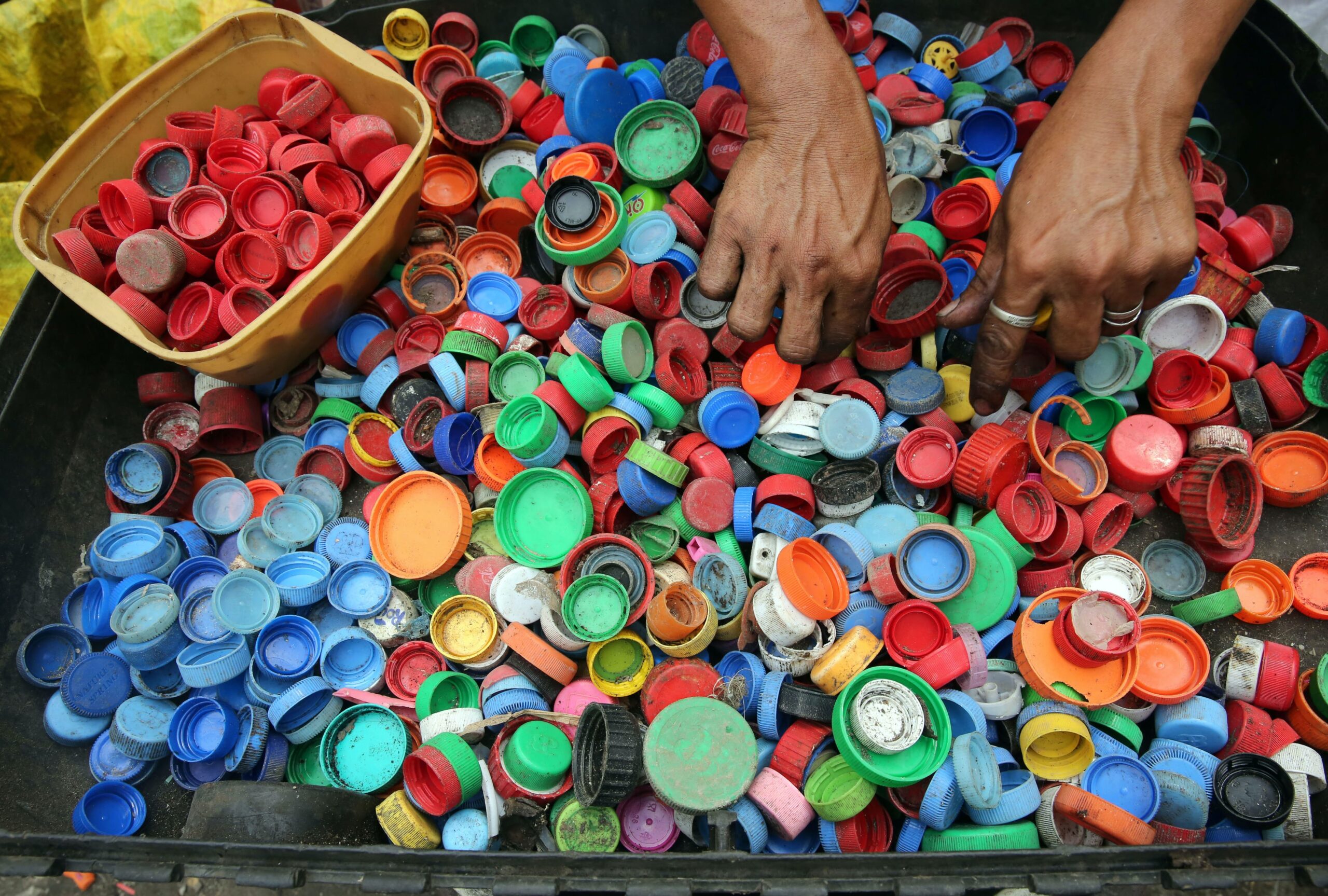
"Is going circular just? Environmental justice & just transition – key elements for an inclusive circular economy" - Read more about the new paper showcasing JUST2CE
JUST2CE is showcased in the paper "Is going circular just? Environmental justice & just transition – key elements for an inclusive circular economy" by Patrick Schroeder & Jack Barrie (Chatham House), in Field Actions Science Reports, Special Issue 24.
Read it here: https://journals.openedition.org/factsreports/6864
Abstract
A successful circular economy transition relies on inclusiveness and social justice. Two main equity dimensions should be considered for the circular economy transition to be inclusive: rectifying existing injustices of mismanaged waste and pollution that affects hundreds of millions of people worldwide on the one hand, whilst anticipating and addressing the negative future impacts on workers and industries that the transition from a linear to circular economy will create, on the other hand. To do so, understanding the impacts of national transitions in Europe on workers and communities in developing countries will be key, notably how to improve economic diversification and retrain workers in producer countries, and how to increase stakeholder engagement.
About the authors
Patrick Schroeder
Senior Research Fellow, Chatham House
Dr Patrick Schroeder is a senior research fellow in the Environment and Society Programme at Chatham House. He specializes in research on the global transition to an inclusive circular economy with a specific focus on policy analysis and multilateral environmental processes, collaborative opportunities between key countries, closing the investment gap and building an evidence base for trade in the circular economy. Prior to joining Chatham House, he was Research Fellow at the Institute of Development Studies, University of Sussex, where he conducted research on the circular economy in developing country contexts and the Sustainable Development Goals. He is a member of the Advisory board of JUST2CE.
Jack Barrie
Research Fellow, Chatham House
Dr Jack Barrie is an expert on the topic of circular economy. In his current role as Research Fellow at Chatham House, Jack leads on pioneering research examining the intersections between the circular economy and international trade, geopolitics, finance (including Green Taxonomies) and the Sustainable Development Goals (SDGs). Prior to joining Chatham House, he was a Circular Economy Policy Analyst for Zero Waste Scotland. He holds a PhD (University of Strathclyde) on circular economy innovation policy.

Apply now: The Autonomous University of Barcelona (UAB) is opening a post-doc position
The project “JUST2CE” addresses major global environmental and sustainability challenges related to Circular Economy (CE), focusing on establishing the current state of knowledge on CE and its socioeconomic impacts, and on putting forward transformative solutions at the local and global levels. The project will follow a transdisciplinary approach that ranges from the natural sciences to economics and social sciences.
Under the framework of the JUST2CE project, the Business Department (Department d’ Empresa) is therefore offering a post-doc position.
The candidate is expected to start in the position by September 2022. The post-doctoral researcher will mainly contribute to the tasks and deliverables of the WP2 and WP3 of the JUST2CE project. In particular, the candidate will work on:
- identifying enablers and barriers to the implementation of CE practices;
- developing a framework to design ‘Responsible Circular Economy Practices’;
- disseminating project outcomes in international training workshops and
conferences.
Most of the work can be done remotely but physical presence will be required
for some of the tasks (e.g. meetings, workshops, conferences, field work, training, etc.
Tasks:
Together with the project manager and the PI, the postdoc will contribute to the day-to-day management of the project:
- Contribute to the development and implementation of research on circular
economy & environmental justice, in continuous interaction with partner
organizations within and beyond academia;
- Co-supervise MSc, PhD and Post-doc research;
- Collaborate, contribute, and/or initiatives for stakeholders engagement, knowledge sharing, outreach and societal impact.
More information
Funding body: European Union H2020 Programme
Duration of the project: 3 years
Destination: Economics and Business department
Category: Ordinary researcher
Duration of the contract: 23 months
Dedication: 37,5 hours / week
How to apply?
Read the whole description of the activities and learn more about the application process here
Deadline to apply: 1st October 2022